Curating knowledge
What’s asynchronous learning? A guide for modern teams
Here we discuss what asynchronous learning means for modern teams. Learn how async training solves time zones, missed meetings, and scattered documentation.

Ryan Macpherson
Dec 22, 2025
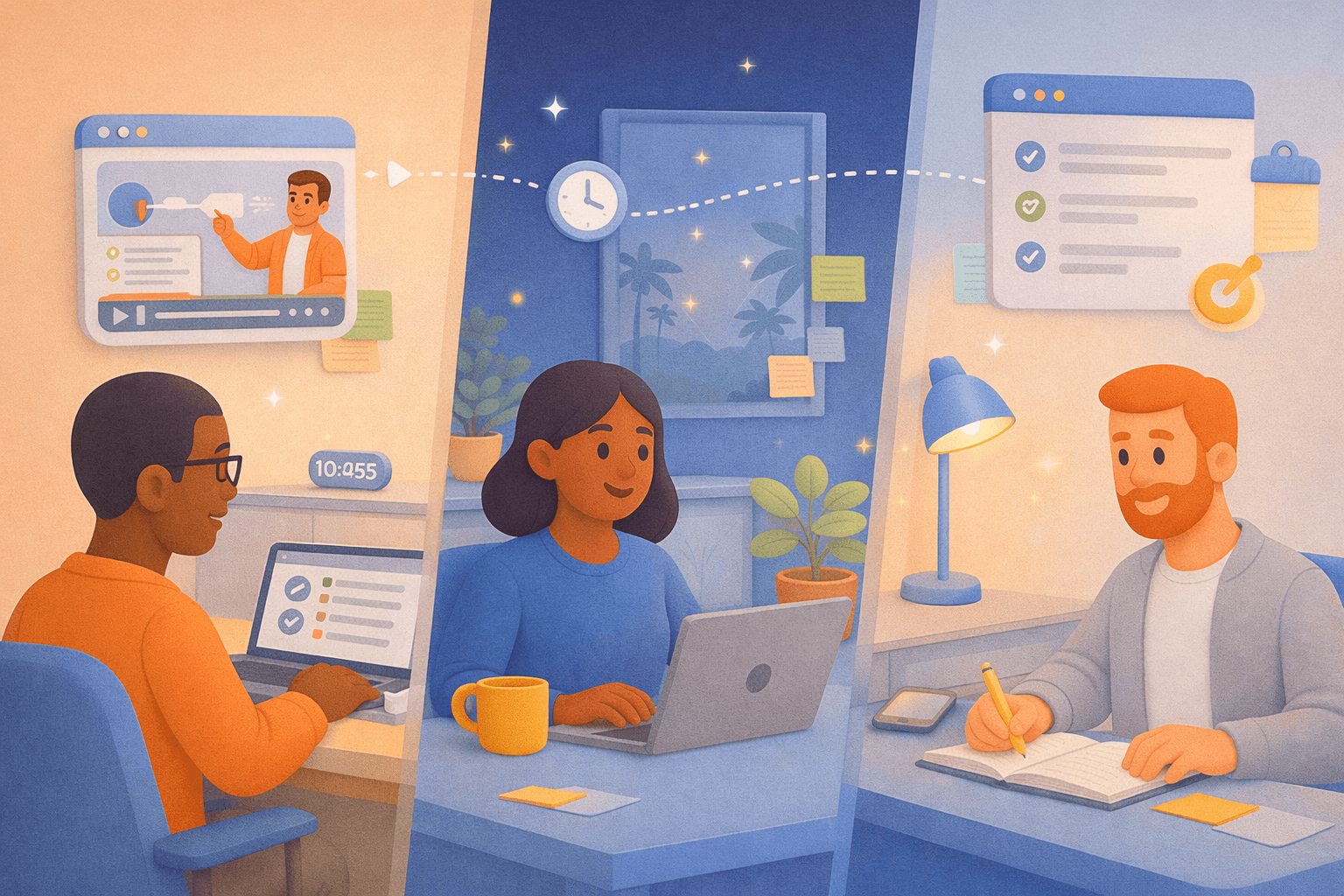
Synchronous learning tries to hold everything together, but real work rarely waits for a shared hour on the calendar.
That’s why asynchronous learning keeps slipping into everyday workflows. A recorded demo that someone watches after lunch. A quick walkthrough opened before a customer call. Training people absorb at their own pace without rearranging their day.
Teams rely on it more than they realize. What they’re missing is a way to use it intentionally, so knowledge moves cleanly, quickly, and without relying on the clock.
Here’s what this article will cover:
What asynchronous learning actually means in a workplace
How synchronous and asynchronous learning differ in real day-to-day work
Clear examples of asynchronous training across HR, product, support, ops, and remote teams
Practical formats: recorded videos, interactive online courses, discussion boards, and self-paced exercises
How asynchronous learning solves workflow issues like time zones, missed meetings, and scattered documentation
What is asynchronous learning?
Instead of joining synchronous online classes or a physical classroom session, learners move through course materials whenever it fits their schedule. That includes:
Pre-recorded walkthroughs and short demos
Asynchronous courses made from existing docs or videos
Instructional materials that learners can open on demand
Discussion posts or discussion boards that build knowledge over time
Self-paced learning activities, quizzes, and checkpoints
In many teams, asynchronous online learning already happens every day: someone watching a walkthrough before a customer call, reviewing updated process notes, or completing work without waiting for a live video lecture component.
It creates flexible asynchronous learning environments that support different learning styles, reduce scheduling friction, and let online learners or employees access training when it matters most.
Coassemble makes this even easier by transforming everyday documents, videos, and walkthroughs into clear, self-paced training that teams can access anytime.
Synchronous vs asynchronous learning: what’s the difference?
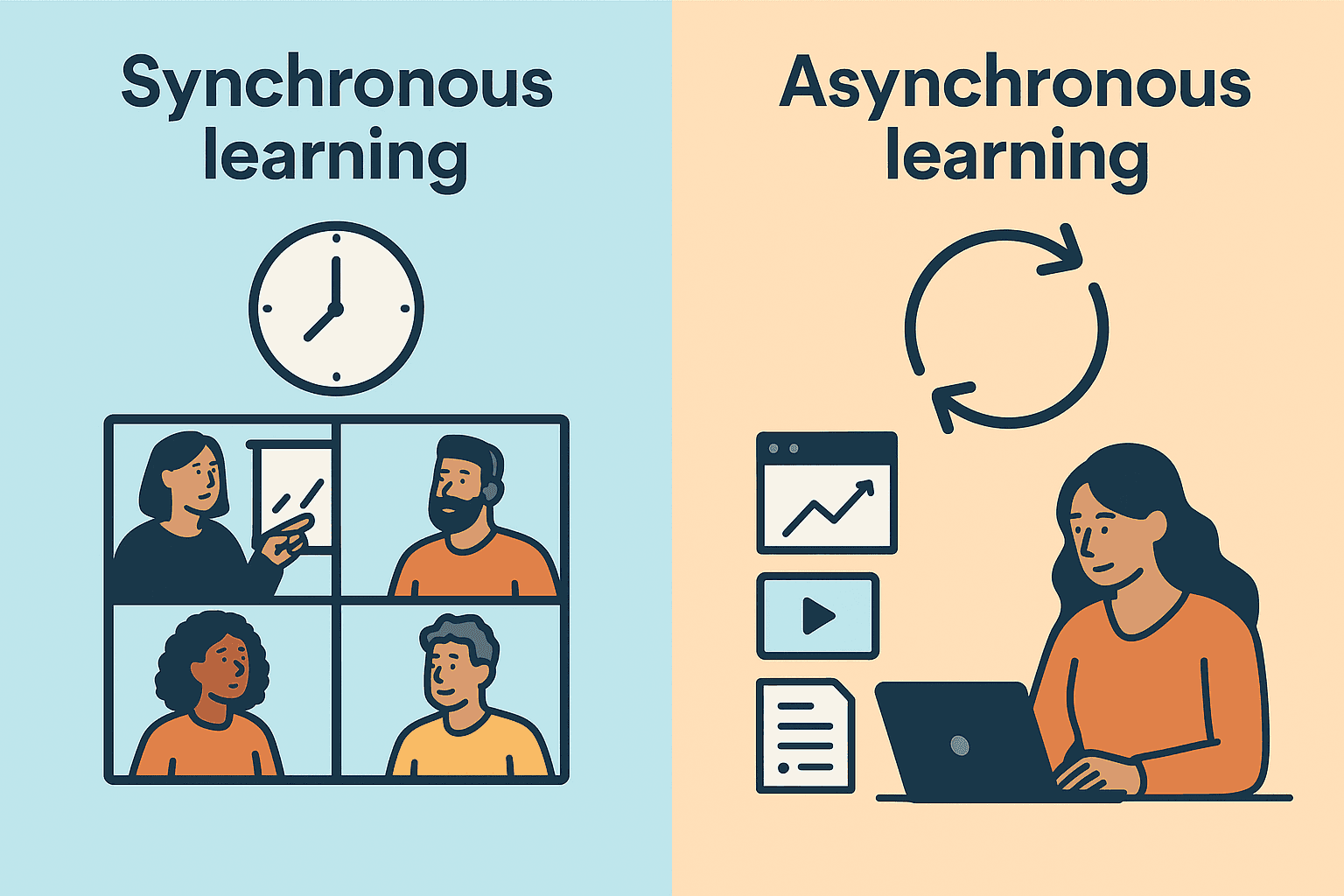
Both approaches work. They just don't work the same way.
Synchronous learning happens in real time. Everyone gathers at once: live sessions, meetings, demos, or synchronous online classes.
Asynchronous learning happens on your own schedule. People move through course materials, recorded content, or assignments without needing a shared hour.
The difference is simple: One depends on the clock. The other flexes around it.
Most teams benefit from both, using synchronous and asynchronous learning together to keep knowledge flowing without slowing the work.
Synchronous learning: everyone at the same time
Synchronous learning pulls people into the same moment. It works well when teams need to think together:
Brainstorming
Q&A
Complex discussions
Decisions that benefit from instant feedback
But the reality hits fast. Scheduling across time zones turns simple class meetings into a puzzle. Someone’s always asleep, on another call, or handling urgent work. Miss the session, and the learning disappears with it.
Synchronous online learning has value. Just not as the only method teams rely on.
Asynchronous learning: learn on your own time
Asynchronous learning gives people space. Skip the live lecture. Skip the fixed hour.
It shows up in formats teams already use:
Pre-recorded walkthroughs
Documentation and process guides
Interactive online courses
Short videos or feature demos
It works best for training that people revisit often:
Policies
Product updates
Skill-building
Standard operating processes
The advantage is simple. Asynchronous online learning works around schedules instead of demanding everyone share the same one.
Most teams need both
Most teams blend synchronous and asynchronous learning without thinking about it.
Async carries the foundation:
Core knowledge
Product updates
Process training
Anything people need to revisit
Sync handles the moments that benefit from real-time exchange:
Collaboration
Problem-solving
Quick alignment
A simple rhythm forms: learn the essentials asynchronously. Use synchronous time to deepen the conversation.
And this mix gets even easier when your async content is already clear and structured. AI-powered tools like Coassemble slot into your existing stack (including your LMS), helping teams turn everyday docs into branded learning experiences that support both modes without extra admin or a new LMS to maintain.
Asynchronous learning examples: how real teams use it
Asynchronous learning shows up in all kinds of everyday workflows.
Different formats support different needs. Some help people absorb information, some help people practice, and some help teams stay connected without adding more meetings.
Here’s how async learning comes to life across a growing company.
Interactive self-paced courses
Interactive self-paced courses give teams a structured way to learn without booking a meeting. Short lessons. Simple checkpoints. A path people can complete on their own, then revisit whenever needed.
They’re especially useful when knowledge must stay consistent across roles and locations:
Onboarding steps
Policy updates
Product knowledge
Standard operating processes
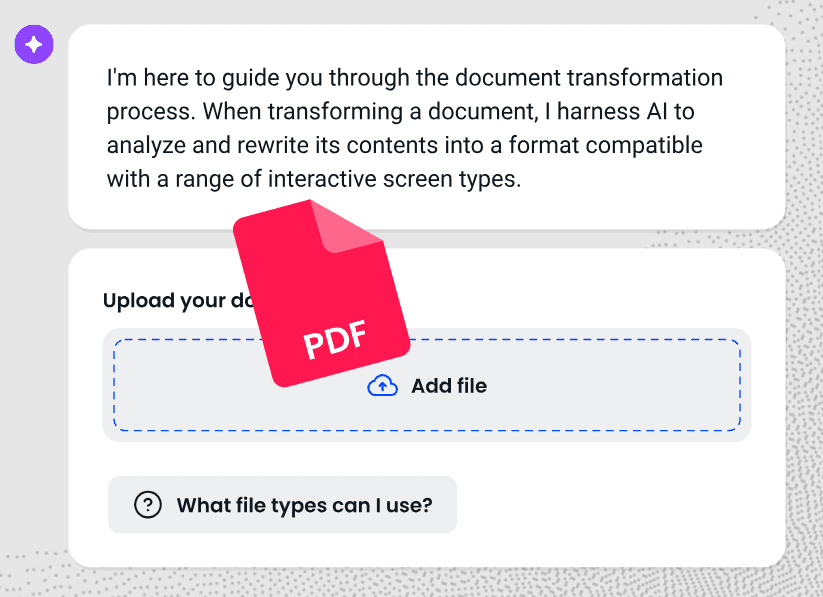
Most companies already hold this information in scattered documents. Coassemble reshapes those files into branded, interactive training in minutes. Avoiding the long development cycles seen in traditional online courses.
Example: A support team updates its troubleshooting flow and turns the internal Google Doc into a short self-paced course. New agents follow each step and reduce early-stage errors without requiring a live walkthrough.
Recorded content
Recorded content makes explanations quick to create and easy to revisit. It works well for anything that’s easier to show than describe:
Feature changes
New workflows
Visual steps
Technical instructions
And with Coassemble’s built-in Loom integration, teams can record and insert videos directly into their training. No exporting, no uploading, no juggling extra tools.
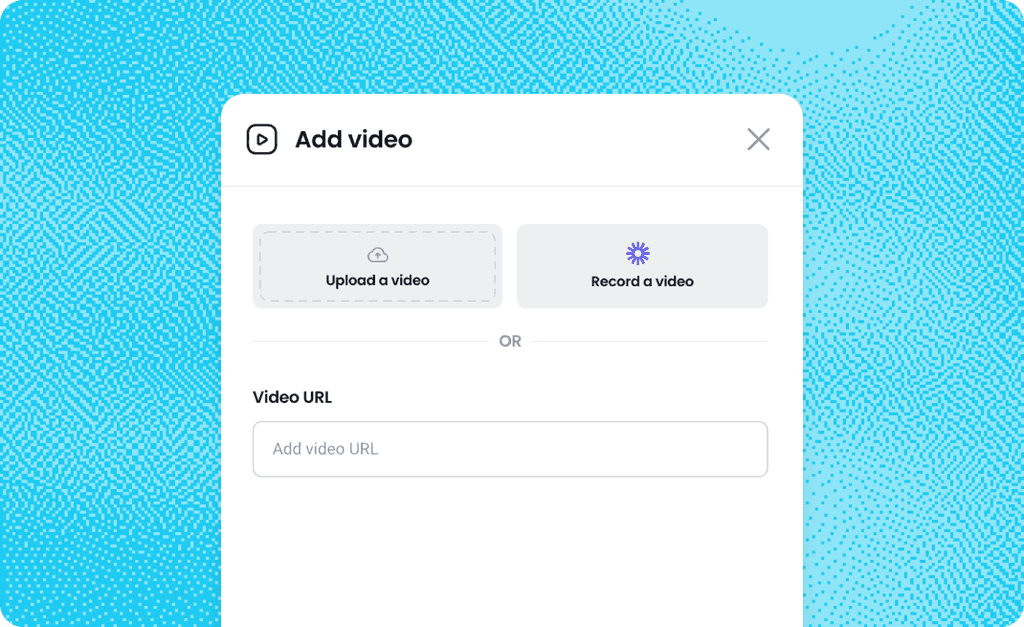
Example: A product lead captures a quick feature walkthrough using Loom inside Coassemble. The recording drops straight into a lesson, paired with a few notes. By the time the team wakes up across time zones, the update is ready to watch. No meeting required.
Discussion and interaction
Some learning happens through conversation. Teams use asynchronous discussion to:
Clarify new processes
Collect questions as they come up
Share best practices
Build living knowledge threads
Slack is where most of these conversations already take place. Coassemble fits directly into online learning environments, letting teams share training, updates, and collections right inside the channels they use every day.
It keeps knowledge moving instead of scattering across tools or getting buried in private messages.
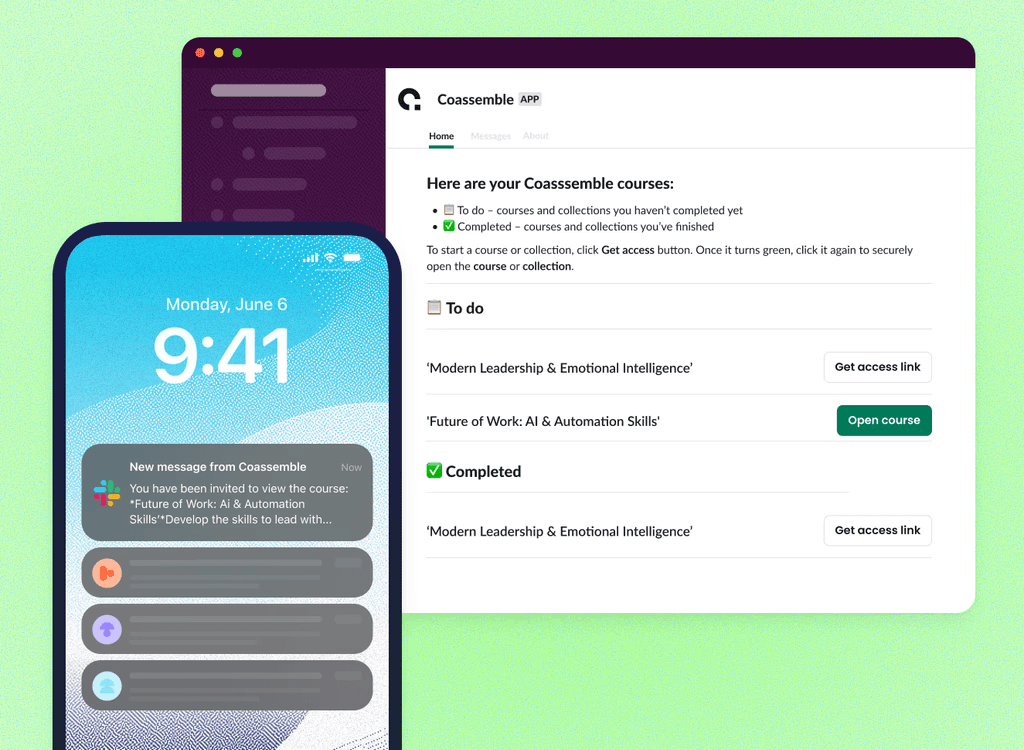
These threaded conversations link together as part of your asynchronous learning networks, helping teams surface questions, refine understanding, and stay aligned over time.
Learners can open a course from Slack, complete it, and keep going. Managers get real-time updates when someone starts or finishes training and can jump into deeper insights with a single click.
Example: An operations team rolls out a new approval process. They post a short Coassemble lesson into the #ops-updates channel, pin it, and invite questions in the thread. Team members complete the training, respond with edge cases, and build a clearer, shared understanding.
Projects and assignments
Projects and assignments turn learning into action. Instead of only watching or reading, people apply what they’ve learned to real scenarios.
They work well when teams need to see how someone thinks, solves problems, or handles practical tasks:
Drafting a customer response
Completing a process step
Analyzing a case
Practicing a skill
Creating a resource others can use
Coassemble supports this flow by providing teams with a simple way to package instructions, examples, and submission steps into a single branded learning experience. Learners know exactly what’s expected; managers get clear visibility into how people performed.
Example: A sales enablement team introduces a new messaging framework. Instead of scheduling role-play sessions across time zones, they assign a short Coassemble lesson where reps record their pitch or submit written responses.
Managers review the submissions asynchronously and follow up in the next sync with targeted coaching.
Self-paced exercises
Self-paced exercises help people check their understanding without waiting for a live review. Short quizzes, scenario questions, and quick problem-solving tasks keep learning active and reveal where extra support is needed.
They’re especially useful when teams must confirm that knowledge is accurate and applied consistently:
Compliance checkpoints
Product knowledge checks
Process verification
Skill practice
Onboarding milestones
Coassemble makes this simple with built-in interactive elements that turn a basic lesson into something people can respond to, not just read. Teams can see who understood the material, where learners struggled, and what needs a follow-up.
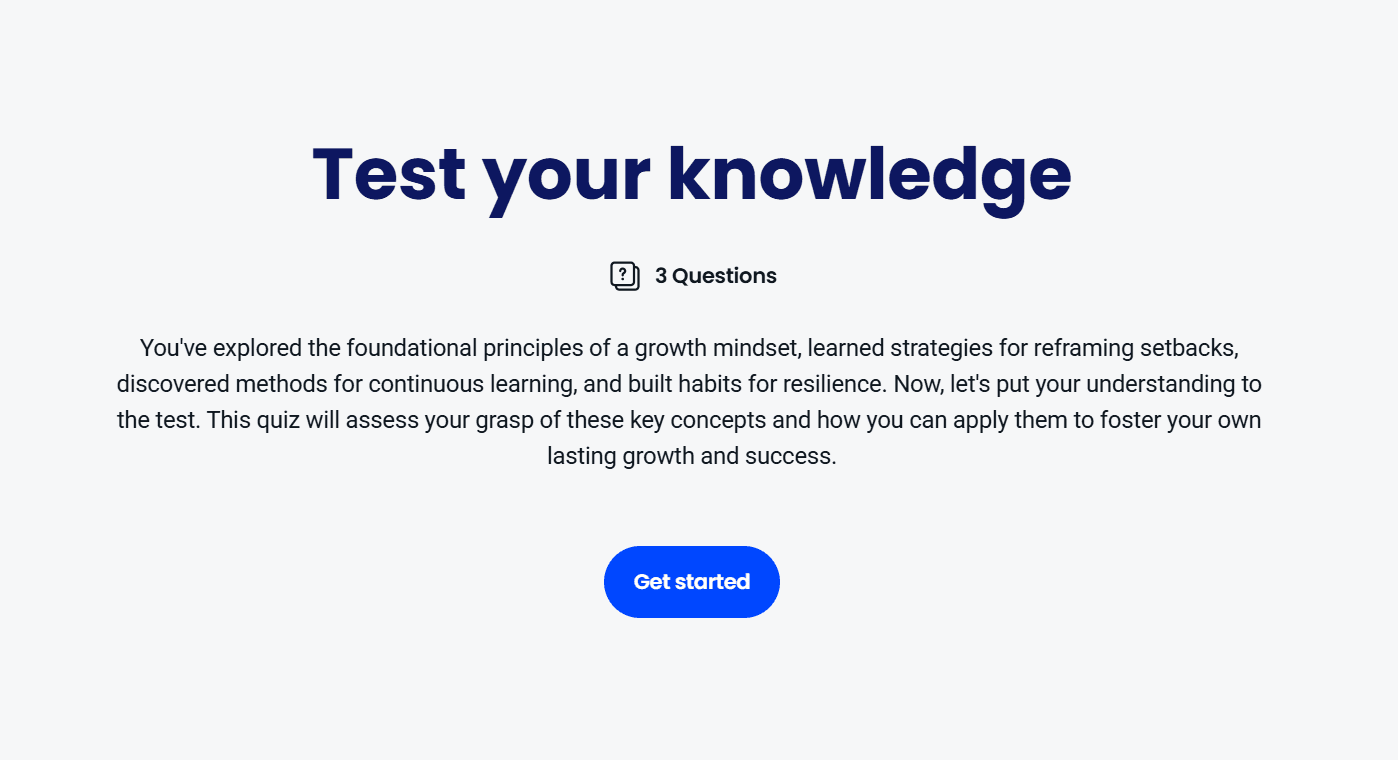
Example: An HR team updates its code-of-conduct policy and adds a short set of scenario-based questions inside Coassemble. Employees complete it on their own, and the results help the team spot any parts of the policy that need clearer explanations.
Why asynchronous learning is becoming essential for growing teams
As companies scale, information moves faster than meetings can keep up. Teams stretch across time zones. Calendars fill. Processes shift before anyone can schedule a walkthrough. Synchronous learning alone can’t carry that load.
Asynchronous learning environments give teams the flexibility they need: training people can access when it fits their schedule without disrupting their work. It keeps knowledge in motion instead of leaving it buried in decks, handovers, or someone’s memory.
And with a knowledge transfer platform like Coassemble, turning everyday content into clear, structured learning becomes something any team member can do: fast, branded, and built from the information you already trust.
When learning stops relying on the clock, teams align faster, make better decisions, and keep momentum.
Your knowledge is already there. Coassemble helps you move it forward.
FAQs about asynchronous learning
What’s the difference between asynchronous and synchronous learning?
Synchronous learning happens in real time through live sessions. Asynchronous learning lets people access training on their own schedule, working through course materials, videos, or tasks without needing a shared class time.
What are examples of asynchronous learning in the workplace?
Examples include pre-recorded walkthroughs, self-paced courses, discussion boards, short demos, and assignments employees complete on their own time. These formats support busy teams and different learning styles.
What are the benefits of asynchronous learning for companies?
It reduces scheduling friction, supports distributed teams, and keeps knowledge accessible. People learn at their own pace, revisit important content, and stay aligned across time zones without extra meetings.
How do I create asynchronous learning without being a trainer?
Use the content you already have (docs, slides, recorded videos) and reshape it into training. A knowledge transfer platform like Coassemble helps turn these materials into branded learning experiences in minutes.
Can asynchronous learning work for technical documentation?
Yes. Technical workflows, step-by-step guides, and visual instructions work well asynchronously. Teams can follow instructions, review updates, and complete tasks without relying on live explanations.
Read More
Join the knowledge revolution today
Unlock knowledge. Boost engagement. Drive results
No credit card required

Join the knowledge revolution today
Unlock knowledge. Boost engagement. Drive results
No credit card required
Join the knowledge revolution today
Unlock knowledge. Boost engagement. Drive results
No credit card required