Learning engagement strategies: how to make mandatory training fun
Discover how teams use learning engagement strategies to transform mandatory training into interactive, relevant learning.
Mandatory training rarely feels engaging. Not because people don’t care, but because the learning process often isn’t built for how they actually learn.
Long PDFs. Static videos. Training is tucked into a learning management system that feels more like storage than a learning journey. It leaves learners disengaged, clicking through to finish, not to understand.
And the real problem shows up fast: low completion rates, low knowledge retention, and weaker employee engagement, with teams treating training programs as a box to tick rather than something that supports real-world work.
This piece breaks down the following:
- What learning engagement looks like in real workplace training
- The core principles that keep learners focused and involved
- How to apply those principles to transform mandatory training
What is learning engagement?

Learning engagement is the point where learners stop clicking through and start participating. In the workplace, it’s what turns training programs into something people actually use, not just complete.
At its core, learning engagement means learners are:
- Thinking about the content (cognitive engagement)
- Caring about why it matters (emotional engagement)
- Taking action on what they learn (behavioral engagement)
When these three align, you get:
- Better knowledge retention
- More confident real-world application
- Engaged teams who stay focused instead of rushing to finish
- Training sessions that support actual business outcomes
For mandatory training, this shift is critical. Engagement is what transforms a policy module into a learning experience people remember. And one that reduces risk, improves performance, and supports a stronger learning culture.
The core principles of learning engagement
Many of the same principles that drive student engagement also shape how adults stay focused at work.
Engaged learning is shaped by a few fundamentals that make training easier to follow, more relevant, and more memorable. These principles turn passive clicking into active participation, and they matter even more when the training is mandatory.
Principle 1: Cognitive load management (keep it digestible)
People can only absorb so much at once. When training feels heavy or dense, learners drift. They skim. They click through just to finish.
Cognitive load management keeps things simple. It breaks big topics into clean, manageable steps so learners stay focused and actually understand the content.
This matters even more in mandatory training, where long policy documents and compliance PDFs can overwhelm learners quickly. Breaking them into short, structured lessons helps people stay engaged from start to finish.
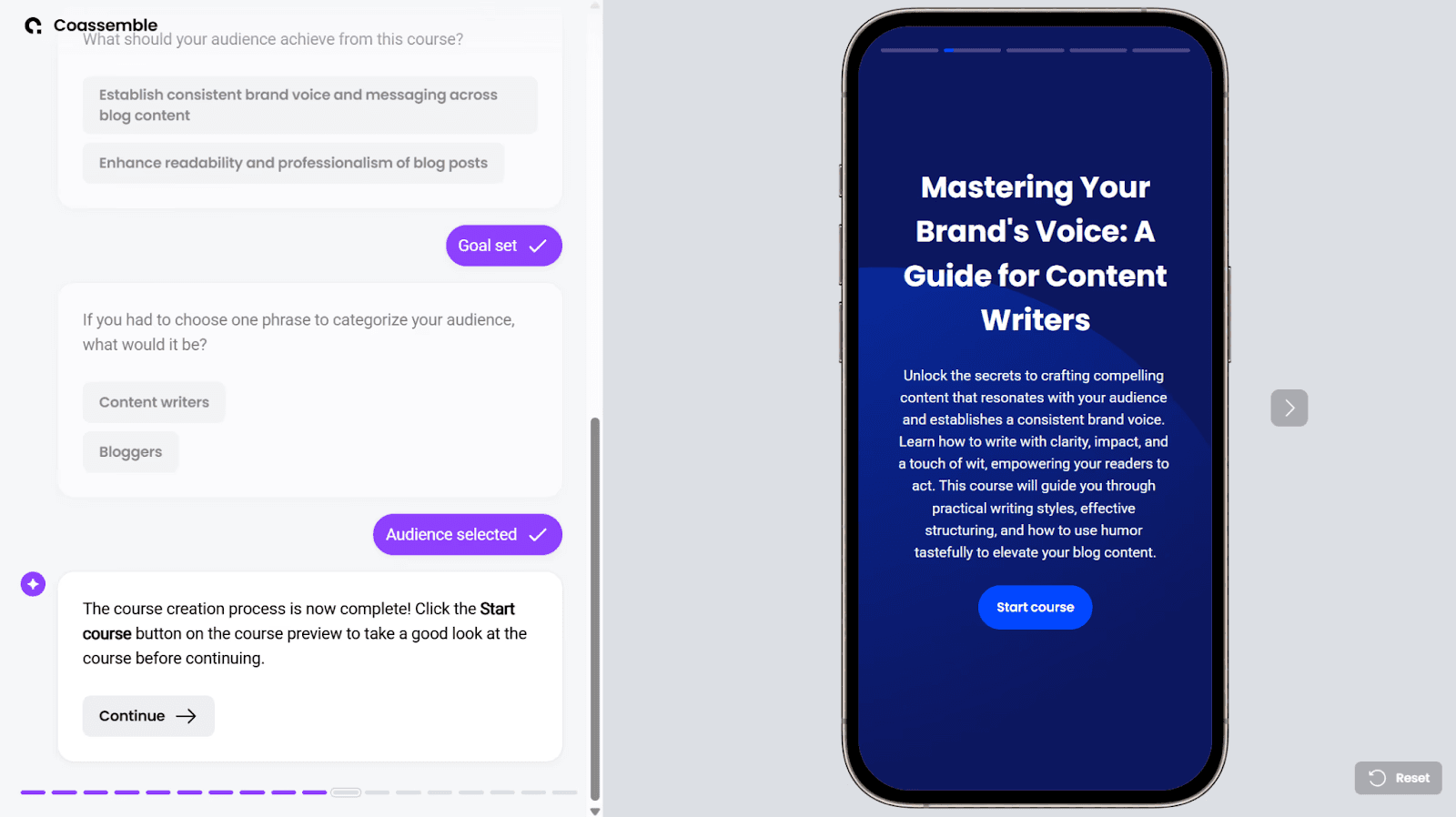
Tools like Coassemble make this effortless: upload a single document, and AI reshapes it into digestible, easy-to-follow sections without extra design work.
Principle 2: Active learning over passive consumption
Most training fails because learners sit and watch. Or scroll. Or click next. Passive consumption doesn’t create engaged learners. It creates bored ones.
Active learning shifts the experience. It asks people to think, choose, react, and make decisions. Even small moments of interaction can boost engagement, prompt critical thinking, and help learners understand how the content applies to real work.
In mandatory training, this doesn’t mean adding fluff. It means adding simple touchpoints:
- Quick knowledge checks
- Short scenario choices
- Small reflection prompts
- Moments where learners apply a rule to a real-world example
These actions keep learners actively involved instead of drifting.
And because modern tools handle the heavy lifting, you don’t need an instructional designer to build this.
Principle 3: Relevance and personalization
Engagement rises the moment training feels useful. Learners pay attention when they see how a topic connects to their daily work, their goals, or their professional growth.
In mandatory training, this is often the missing link. Policies are written broadly. Examples feel generic. Learners don’t see themselves in the content, and when they can’t relate, they disengage.
Relevance is created through small shifts:
- Tailoring examples to specific roles or teams
- Using real-world situations learners recognize
- Connecting training to KPIs, safety, or performance outcomes
- Showing how the content helps them do their job better
Personalization doesn’t have to be complex. Your existing training material must reflect the language, scenarios, and context your teams work in every day, making the content feel familiar instead of abstract.
When learners can see themselves in the story, they stay engaged.
Principle 4: Multimodal content delivery
People learn in different ways. Some absorb information through visuals. Others prefer short text, quick examples, or step-by-step walkthroughs. Multimodal delivery keeps learners engaged by meeting those needs without making the training longer.
For mandatory online learning, variety matters. A single long PDF or video pushes learners into passive mode. Mixing formats keeps the learning experience moving and supports better knowledge retention.
Simple shifts make a big impact:
- Pairing short text with a visual
- Turning a dense section into an interactive exercise
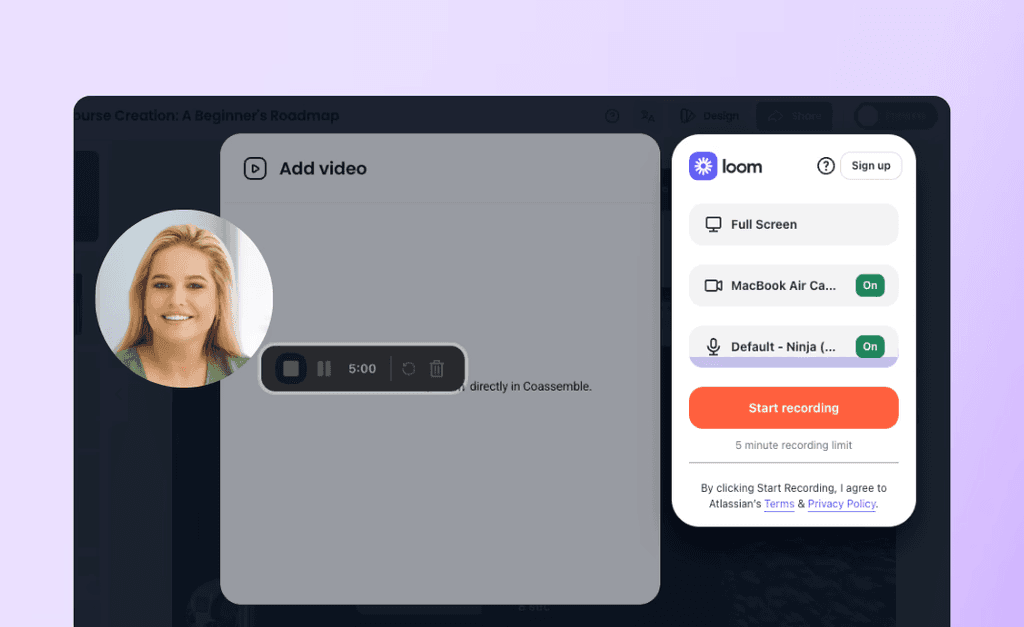
- Adding a quick explainer video or audio clip
- Using images or diagrams for complex ideas
A little variety goes a long way in keeping learners focused, reducing overwhelm, and helping them reach a deeper understanding of the material.
Principle 5: Storytelling and contextual learning
Facts are easy to forget. Stories aren’t. Story-driven lessons have long been used in promoting student engagement, and they work just as well in compliance or policy-heavy training.
Research shows that learners recall and apply information far better when it’s wrapped in a story. In one meta-analysis, stories led to significantly higher memory and comprehension than comparable factual texts.
When training is framed through real situations, learners instantly understand why the content matters and how it connects to their day-to-day work.
Context turns information into insight. Instead of saying “Here’s the policy,” storytelling shows “Here’s how this plays out in the real world.” That shift alone boosts engagement, emotional connection, and better knowledge retention.
For mandatory training, this can look like:
- Walking through a realistic scenario
- Highlighting a common mistake and what should happen instead
- Showing consequences and outcomes
- Building short narratives that learners can follow and respond to
These moments help learners connect the dots. They see themselves in the situation, and the training stops feeling abstract or distant.
When people understand the context, they care more and remember more.
Making mandatory training actually engaging
Once you understand what drives engagement, the next step is applying those principles to the training most people avoid. Mandatory online courses don’t have to feel long, dull, or disconnected from real work.
Small, intentional changes can turn a compliance module into a learning experience that learners actually move through and remember.
Here’s how to put the principles into practice.
Start with what you already have.
Most companies already own the content they need. It’s just trapped in formats no one wants to read: PDFs, policy decks, old SOPs, slides buried in shared drives.
You don’t need to start fresh. You need to transform what’s already there.
A simple first step:
- Gather the documents you already use for training
- Pull policy text out of long PDFs
- Find the slides used in onboarding or compliance sessions
- Collect quick notes, SOPs, or internal guides from different teams
This gives you the raw material to build something better: short lessons, clearer pathways, and training that matches how people work today.
Tools like Coassemble help you move fast: drag and drop your existing files, and AI rebuilds them as structured, interactive training without forcing you to redesign everything manually.
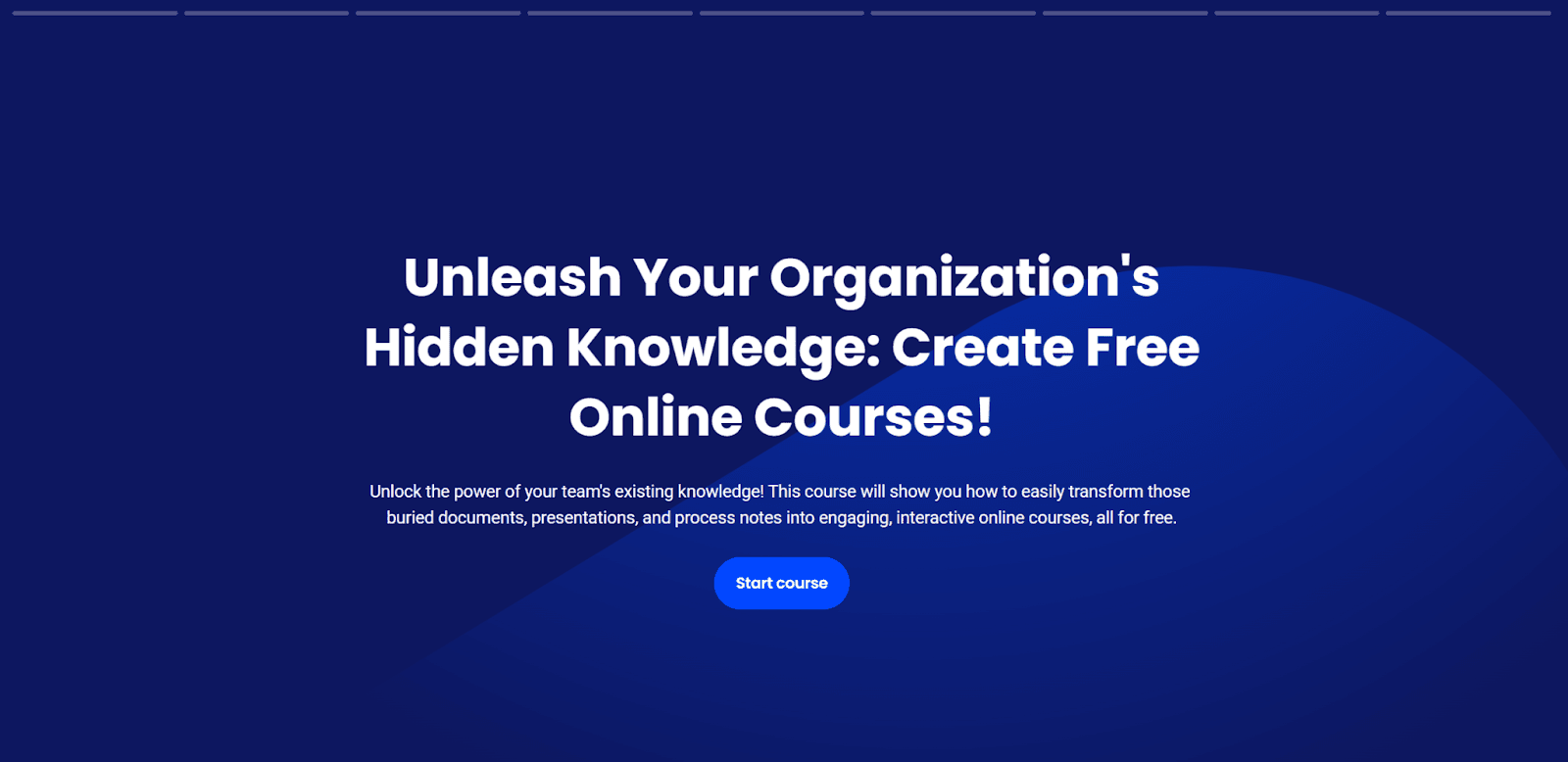
For example, we turned our blog post on how to create a course with AI into an interactive course. You can check it out here: Unleash Your Organization's Hidden Knowledge: Create Free Online Courses.
Apply the engagement principles systematically.
Once you have your content, the goal is to reshape it so learners stay engaged from start to finish. You don’t need a full rebuild, just small, intentional shifts.
Here’s how a typical mandatory course (harassment prevention, data security, workplace safety) transforms in practice:
- Chunk the content: Turn a long two-hour course into 6 focused 15-minute modules.
- Add interactivity: Use quick questions, mini scenarios, or simple checks for understanding.
- Make it relevant: Adjust examples for different teams so the training feels connected to real work.
- Mix formats: Add visuals, short text, or a brief video to keep the learning experience moving.
- Use scenarios: Swap policy lists for real-world situations that help learners make decisions.
These shifts make mandatory training clearer, lighter, and far more engaging without starting from scratch.
Deliver training where work happens.
Engagement drops the moment training feels hard to reach. If learners have to jump into another system or track down a forgotten link, most won’t bother.
The fix is simple: put training in the flow of work.
- Share short lessons directly in Slack or Teams for collaborative learning
- Add links where people already collaborate
- Keep access lightweight and low-friction
- Remove extra steps that slow learners down
When training feels easy to open, learners are far more likely to start and finish. Coassemble supports this by letting you share any course with a simple link, so learners can complete it without breaking their rhythm.
Add simple gamification elements.
A little recognition goes a long way. Learners stay engaged when they feel their effort is seen, especially in mandatory training that can feel routine or repetitive.
You don’t need complex game mechanics to boost engagement. Small signals work:
- Offer a certificate when the course is complete
- Highlight team progress or milestones
- Celebrate early finishers in a channel that employees already use
- Give learners something they can add to their profile or performance review
These touches make the training feel less like a checkbox and more like progress. They encourage learners to take part, finish on time, and feel good about doing it.
Measuring engagement and completion

You don’t need complex dashboards to understand if your training is working. A few simple signals will show whether learners are engaged and where improvements are needed.
You can track:
- Completion rates: Are learners finishing on time or stalling early?
- Time to completion: Are modules short enough to fit into real schedules?
- Drop-off points: Where learners pause, slow down, or stop altogether.
- Quiz performance: Are learners understanding the material or clicking through?
- Learner progress: Who’s moving steadily and who needs support?
These metrics reveal what’s landing, what’s confusing, and where small tweaks can boost learner engagement across the entire program.
Bringing engagement back into mandatory training
Mandatory training doesn’t have to feel like a chore. When content is digestible, relevant, and rooted in real-world situations, learners stay focused and actually use what they learn. Small shifts create engaged learners without adding complexity or cost.
And when you build from the materials you already have, you move faster. You create training that fits naturally into daily work, supports stronger learning outcomes, and feels less like a checkbox and more like progress.
Coassemble helps you turn those ideas into action.
Drop in your existing files, reshape them into interactive training, and share them anywhere your team works.
FAQs about how to make mandatory training fun
What are learner engagement strategies?
They’re practical methods that keep learners focused and actively involved, like chunking content, adding interaction, using scenarios, and making training relevant to real work.
How do you make mandatory training fun?
Keep it short, interactive, and realistic. Use scenarios, quick checks, and examples tied to everyday work so the learning process feels useful instead of overwhelming.
How can I make compliance training more engaging?
Break long policies into smaller lessons, add simple interactions, share real workplace examples, and deliver the training where people already work.
Can AI help create engaging training content?
Yes. AI can restructure long documents, suggest interactions, and turn existing materials into clearer, more digestible lessons in minutes.
How do you measure training engagement?
Track learner progress, completion rates, drop-off points, and quiz accuracy. These signals show what’s working and where to improve.
Keep reading
How can you track training without an LMS?
You don't need an LMS to know if training landed. Here are the four metrics that matter, three ways to track training without an LMS, and when a full LMS is genuinely the right call.
Knowledge transfer strategies for remote teams
Learn how to protect your team from knowledge loss with practical, scalable knowledge transfer strategies for remote teams. Discover how to capture, share, and retain critical expertise so your organization keeps moving forward — even when key people move on.
The Business Case for Customer Training
Organizations that invest in customer end-user training can significantly boost product engagement, enhance user satisfaction, and drive revenue growth. We’ll explore the key benefits of customer training, such as its potential for organizations, impact on customer success, and the mutual advantages it brings to both businesses and customers. We’ll also address the challenges associated with customer training and offer optimal solutions for implementation.