What is structured workplace learning? A guide for growing teams
Instead of reacting to gaps, learning follows clear paths that support real work. Training becomes consistent, measurable, and easier to improve over time.
What is structured workplace learning? A guide for growing teams
Most workplace training doesn’t fail because teams lack effort. It fails because learning has no structure.
Knowledge lives across documents, slide decks, tools, and conversations. New hires learn by asking questions. Managers fill gaps as they appear. Over time, training becomes reactive. Important information gets missed. The same lessons get repeated.
As teams grow, this approach starts to break.
Structured workplace learning offers a different path. It gives learning shape without slowing teams down. Clear direction. Shared expectations. Training that builds instead of resetting.
In this guide, we’ll explore:
- Why ad-hoc workplace learning breaks as teams scale
- How structured workplace learning changes how knowledge moves through a business
- What effective workplace learning systems look like
- How teams can create structure using knowledge they already have
What is structured workplace learning?
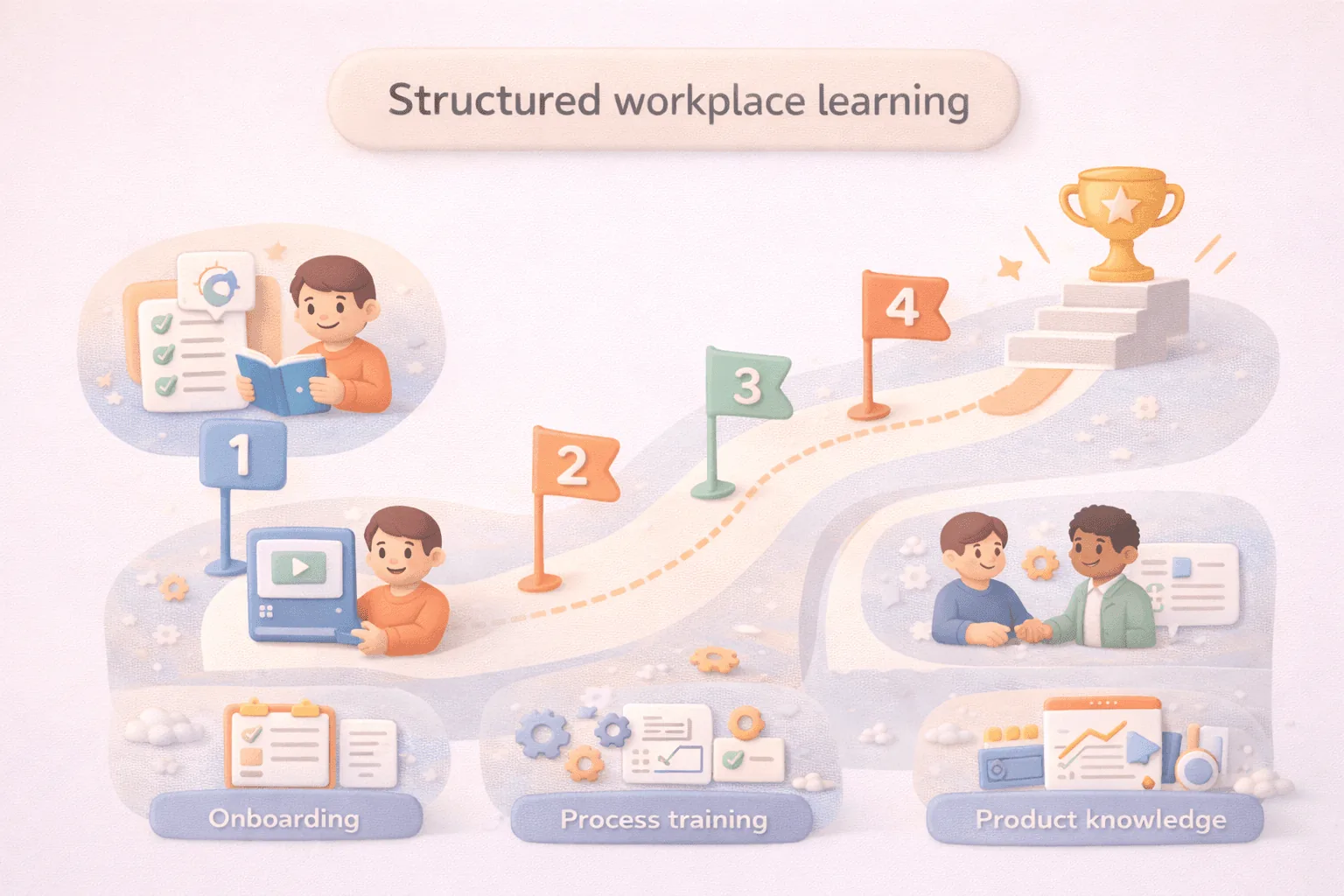
Structured workplace learning is an approach that organizes workplace learning into clear paths with defined goals and outcomes. Training is planned rather than reactive to allow learning to build over time instead of resetting with each change.
Employees move through training with a clear understanding of what to learn and why it matters. Each step connects directly to real work to make expectations easier to follow and apply.
A structured learning system makes progress visible across teams. Managers can see what’s been covered, where gaps exist, and how learning supports performance.
Structure supports consistency without adding rigidity. Onboarding, product knowledge, and process training stay aligned, while knowledge remains easy to update and retain across the workplace.
Structured workplace learning vs training
Workplace learning and workplace training are often used interchangeably. In practice, they solve different problems.
Training often focuses on delivery. A sales call session runs. A call script gets shared. A box gets checked. Learning may happen, but it rarely continues or compounds.
Sales reps hear best practices once, then return to real calls without reinforcement. Feedback lives in managers’ heads or scattered notes, making improvement inconsistent across the team.
Structured workplace learning changes that dynamic. Sales call training becomes a sequence, not a moment, with clear expectations, practice, and follow-up built in.
The difference becomes clear as teams grow. Training fills gaps, and structured learning creates a system.
Structured learning vs ad-hoc training
Ad-hoc training is reactive and inconsistent. It appears when something breaks, someone leaves, or confusion slows work down. For example, when a customer support representative leaves because of poor feedback from a manager, leaders will receive training on how to deliver feedback.
The same explanations get repeated across teams, often with small variations. Knowledge spreads, but accuracy and consistency are hard to maintain.
Structured workplace learning takes a proactive approach. Training is planned in advance, with shared expectations and consistent content across roles and teams. For example, a sales rep will have a 90-day training program that includes 10-12 modules with specific learning outcomes for each.
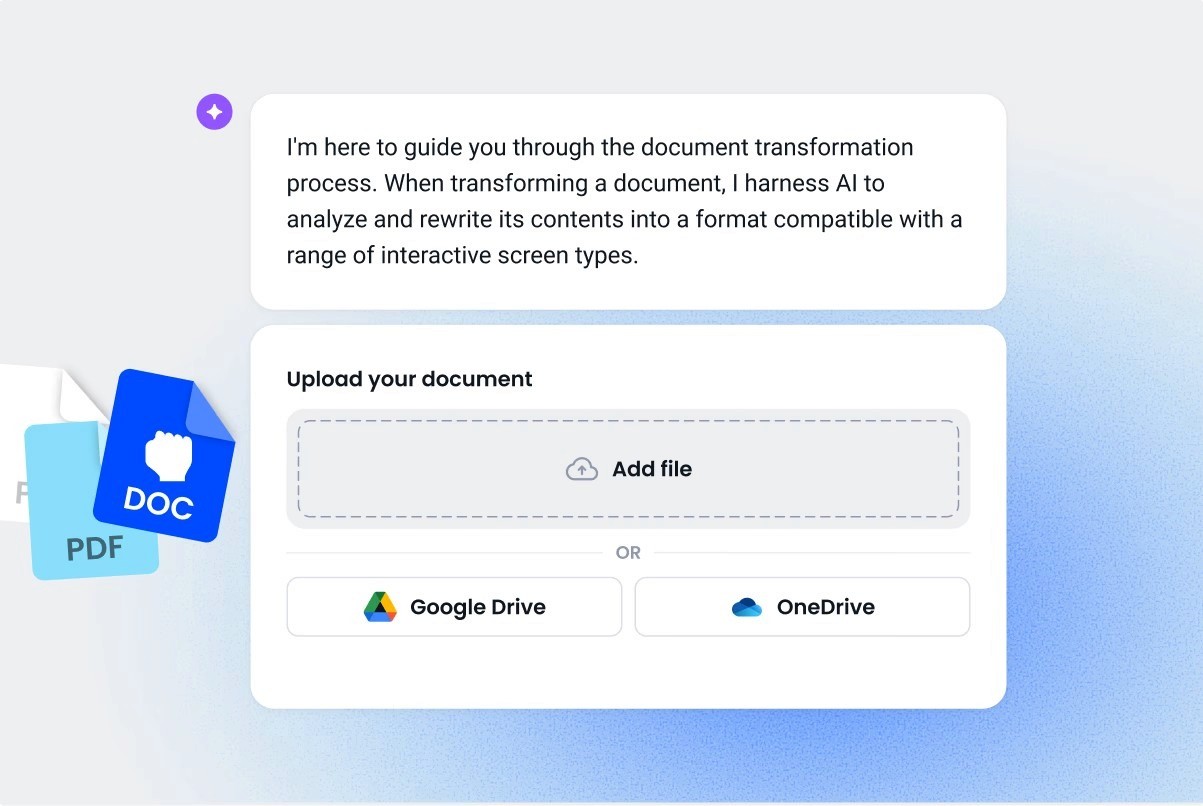
Tools like Coassemble support this shift. Teams can turn existing documents like PDFs and Word docs into structured, trackable training without complex systems or enterprise budgets.
Onboarding offers a clear example. Instead of scattered handovers and outdated docs, new hires follow a defined learning path that reduces ramp time and confusion. You can view a sample template here.
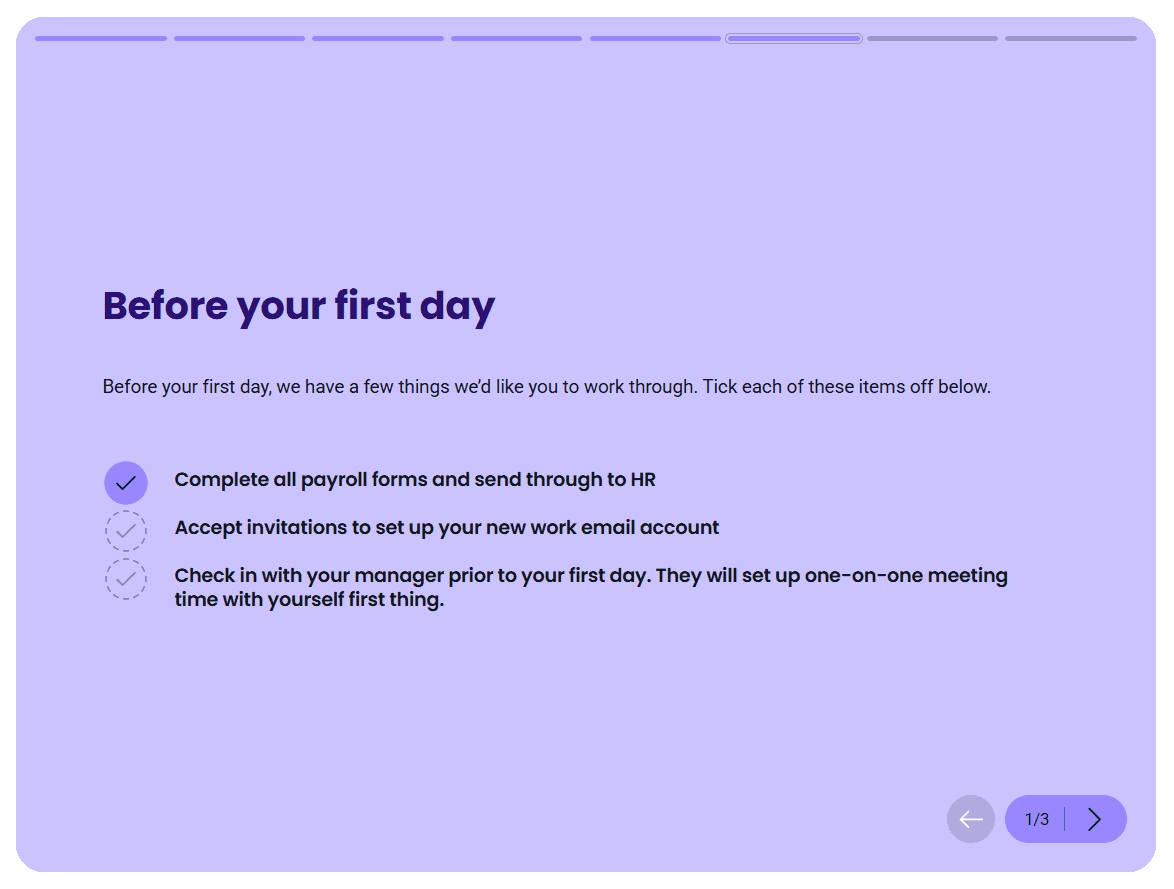
Structure turns training from a response into a foundation teams can build on.
Benefits of structured workplace learning
Structure changes how learning works across a business. It replaces guesswork with clarity and turns training into something teams can rely on as they grow.
For employees
Structured workplace learning gives employees clarity on what matters and how to progress. Instead of piecing things together, they follow clear learning paths tied to real work.
That clarity has a measurable impact. Employees who receive structured onboarding are 69% more likely to stay with a company for three years.
Learning also plays a major role in engagement. Research shows 80% of workers say learning adds purpose to their work, improving motivation and job satisfaction.
When employees know where to find answers and what skills to build next, frustration drops. Confidence grows faster. Knowledge becomes easier to apply in day-to-day work.
For organizations
For organizations, structured workplace learning creates consistency across teams and roles. Training quality stays aligned, even as the workforce scales.
That consistency pays off. According to Harvard Business School Online, companies that invest in structured training programs see 17% higher productivity and 21% higher profitability.
Formal training systems also support retention. Strong onboarding and early learning programs can improve retention by up to 82%, reducing the cost of rehiring and retraining.
Structure also protects institutional knowledge. When learning is documented and trackable, knowledge stays with the business instead of walking out the door. Over time, this makes training easier to measure, easier to improve, and easier to scale.
How to structure your workplace learning program
The benefits of structured workplace learning are clear. The challenge is making it practical without adding overhead.
Structuring workplace learning starts with treating training as a system, not a one-off task. Each program should have a clear purpose, a defined path, and a place to live long after it’s created.
From there, structure becomes something teams can build gradually, using the knowledge they already have and the tools they already rely on.
Start with what you already have
Most businesses already have the raw materials for workplace learning. Knowledge lives in documents, slide decks, internal guides, recordings, and long message threads.
Start by auditing what exists today. Look for content tied to high-impact needs like onboarding, product knowledge, core processes, or compliance. These areas benefit most from structure and consistency.
Prioritizing existing knowledge reduces effort and avoids reinventing work that already exists.
Choose the right tools for structure
Not every tool supports structured learning well.
Traditional LMS platforms are often heavy, expensive, and complex for mid-market teams. Knowledge bases work well for reference, but they don’t guide learning or track progress.
Modern course creation tools fill the gap. Platforms like Coassemble help teams turn documents into structured, trackable training that fits existing workflows. Training can plug into an existing LMS or be shared directly, keeping learning flexible without enterprise complexity or budgets.
Design for your team’s workflow
Learning works best when it fits into daily work. Long sessions slow momentum and reduce completion.
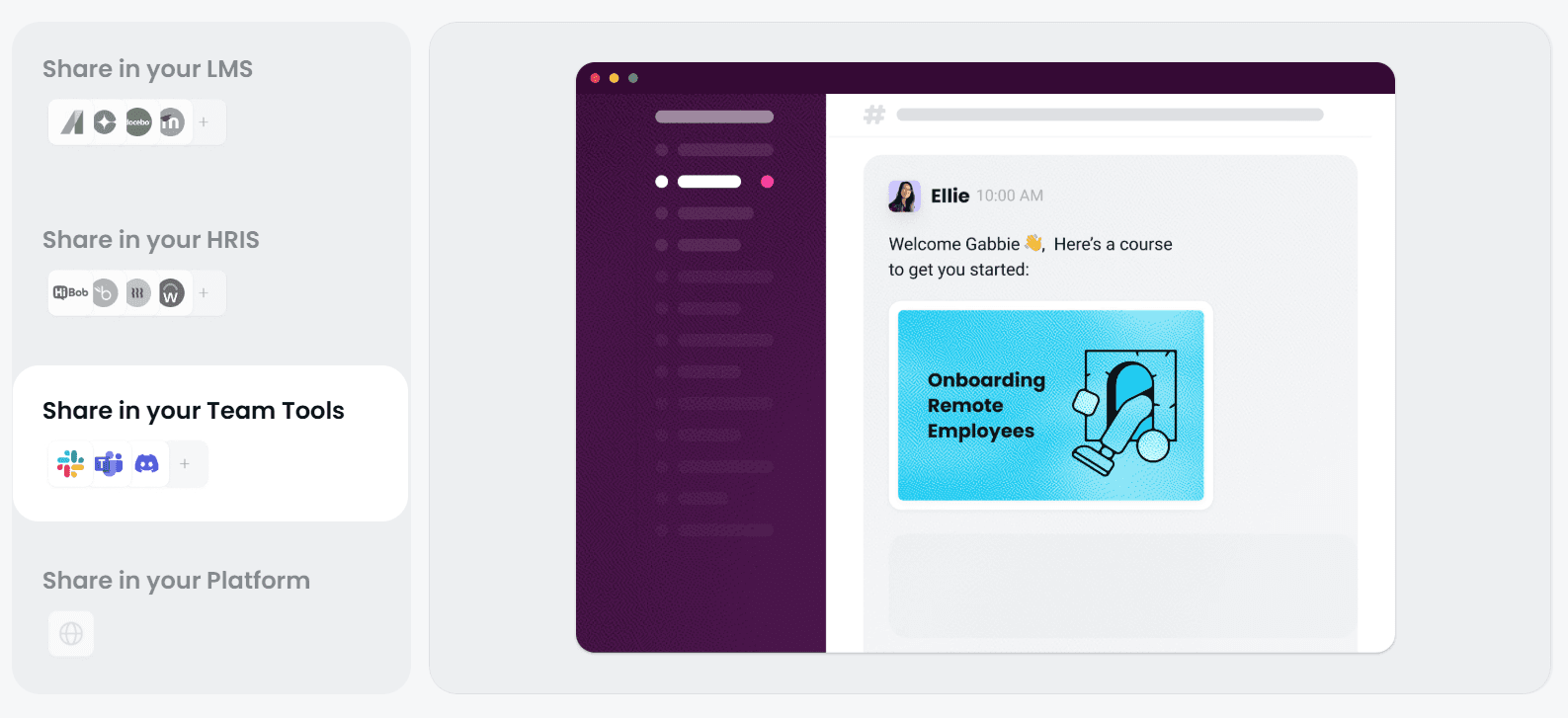
Structured workplace learning programs benefit from short, focused modules that teams can complete alongside real tasks. Content should be easy to access, mobile-friendly, and shared through tools people already use, like Slack.
Structure provides direction, while flexibility allows learning to happen at the right pace.
Implement tracking and measurement
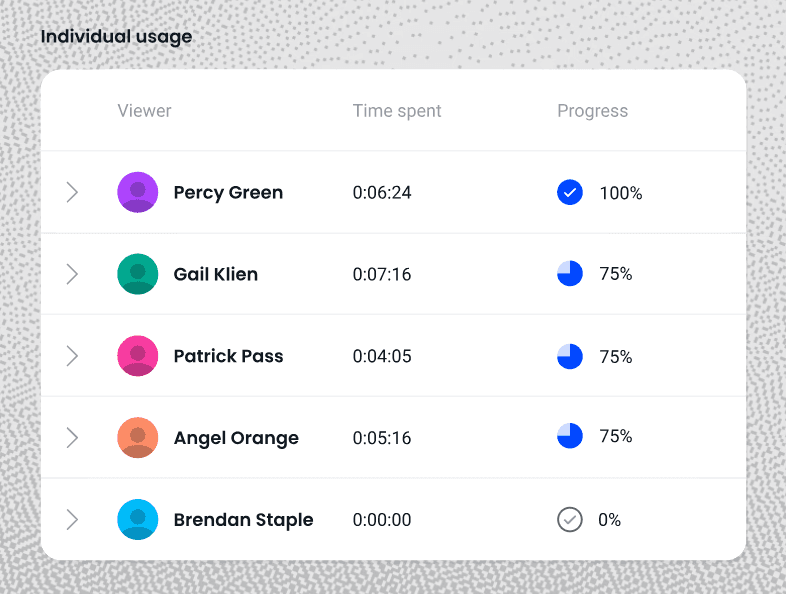
Structure makes learning visible.
Track completion rates to see what gets finished. Measure time to competency to understand the onboarding impact. Use quizzes or checkpoints to reinforce understanding and retention.
Feedback matters too. Employee input helps refine content and keep learning relevant as roles and processes evolve.
Scale systematically
Start with one structured program, such as onboarding or product training. Document what works. Improve it. Then expand.
Over time, structured workplace learning becomes a library of reusable content instead of one-off training efforts. Knowledge stays organized, easy to update, and ready to support growth across teams.
All of these steps become easier when structure is built into the tool itself. Coassemble supports this approach by helping teams turn existing knowledge into structured, trackable learning, then share it across the tools they already use.
Wrapping up
Structured workplace learning turns scattered knowledge into something teams can rely on.
Instead of reacting to gaps, learning follows clear paths that support real work. Training becomes consistent, measurable, and easier to improve over time. Structure prevents knowledge from fragmenting or disappearing.
For growing teams, structure doesn’t require enterprise systems or large budgets. It starts by organizing what already exists and building learning programs that can scale naturally.
Modern tools make this shift achievable. Platforms like Coassemble help teams turn documents into structured training and share it across existing workflows. Learning stays flexible, visible, and easy to update.
When workplace learning is structured, knowledge moves. It supports people, strengthens teams, and keeps progress from slowing as organizations grow.
FAQs about structured workplace training
What is a structured workplace?
A structured workplace uses clear systems to guide how work and learning happen. Roles, expectations, and training follow defined paths, making it easier for employees to understand priorities, build skills, and perform consistently as teams grow.
What do you mean by structured learning?
Structured learning organizes knowledge into planned sequences with clear outcomes. Instead of one-off training, learning builds over time, connects to real tasks, and can be tracked, updated, and improved as needs change.
What is the purpose of structured workplace learning?
The purpose of structured workplace learning is to turn everyday knowledge into repeatable training. It supports faster onboarding, consistent performance, and long-term skill development without relying on ad-hoc instruction.
Keep reading
How do I build a customer training academy inside my application?
Most guides tell you to stand up a separate LMS. Here's the other way: build the customer training academy inside the product your customers already use, through an API.
How do I embed interactive courses inside a web application?
iframe, JavaScript component, API-driven signed URLs, or SCORM? Here's how each approach to embedding a course inside your own web app trades off control, security, and effort.
Best practices for building an in-app customer training academy
What separates an in-app academy that gets used from one that gets ignored? Start from content you already have, keep lessons short, match your brand, segment, and trigger training in context.