Curating knowledge
A faster way to build workplace training programs
A practical guide to workplace training programs. Explore key training types and how to build employee training without specialists.

Ryan Macpherson
Dec 29, 2025
Editor:
Stephanie Chan
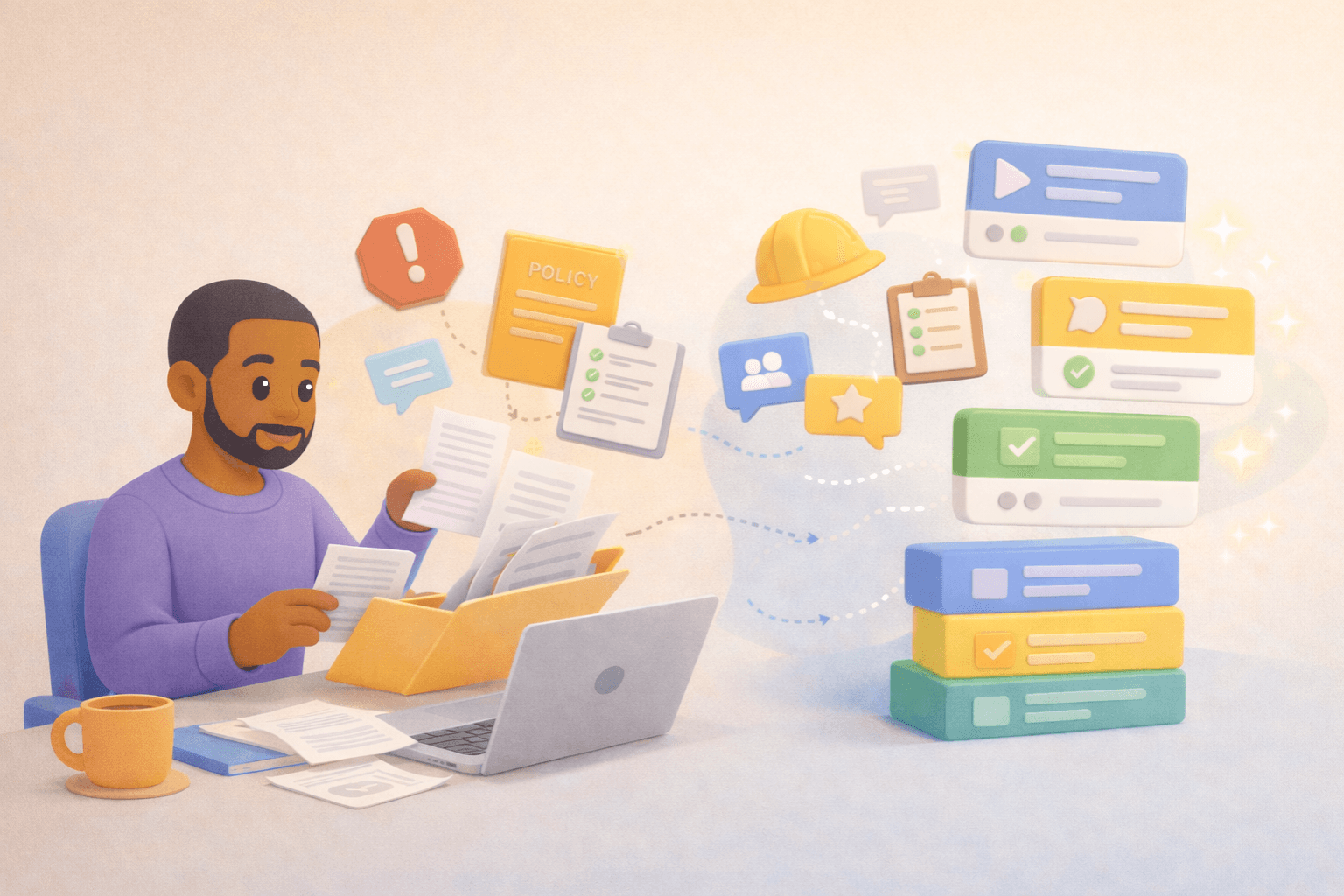
Every company has training, just not always in a usable form. A policy buried in a folder. A safety rule mentioned once. A teammate showing someone “how we do things here” because nothing is written down.
One study found that 59% of workers report having no workplace training and that their skills are completely self-taught. That’s a lot of knowledge left to chance instead of design.
Workplace training programs bring order to that chaos. They’re one of the most important systems companies create to keep knowledge moving.
They turn scattered knowledge into structured guidance that helps employees learn new skills, understand their responsibilities, and stay safe on the job.
Here’s what we’ll explore next:
The essential types of workplace training programs
How teams can build each one quickly using what they already have
How to develop an employee training program without specialists
Essential types of workplace training programs (and how to create them)
Most articles list online learning and training programs like a menu. Helpful, but not enough. Teams need something more practical: how to turn what they already have into training options that work.
Because every workplace training program starts the same way: with scattered knowledge waiting to be shaped. When you organize that into clear, trackable courses, training becomes something employees can actually use.
Let’s break down the most important types and how to create each one quickly.
Onboarding and orientation training
Onboarding shapes everything that follows. Yet in most teams, it’s a mix of documents, Slack threads, and “shadow someone until it makes sense.” New employees spend their first week guessing how the business actually works.
But the ingredients for strong onboarding already exist. The handbook. The role expectations. The tool walkthroughs. When these pieces are reorganized into a branded course that employees can take at their own pace, onboarding becomes clearer, faster, and far more consistent.
Coassemble reshapes those files into structured, trackable training without extra effort.
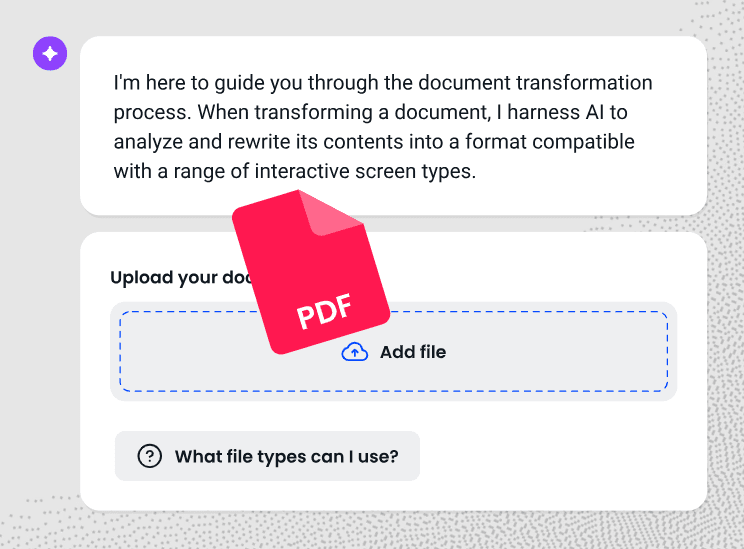
In practice, an HR team might transform its onboarding checklist and company deck into an interactive three-day course that new hires complete at their own pace.
Compliance training
Compliance training covers the essentials that keep a company safe and aligned. It protects the workforce, reduces risk, and reinforces compliance standards that everyone is responsible for.
This typically includes:
Harassment policies
Data privacy rules (GDPR, HIPAA, health administration requirements)
Workplace safety expectations and OSHA requirements
Business ethics and conduct policies
The challenges most teams face:
Long, dense policy documents
Hard-to-update materials
Training completed out of obligation, not understanding
What you already have: the policies, the legal notes, the safety docs.
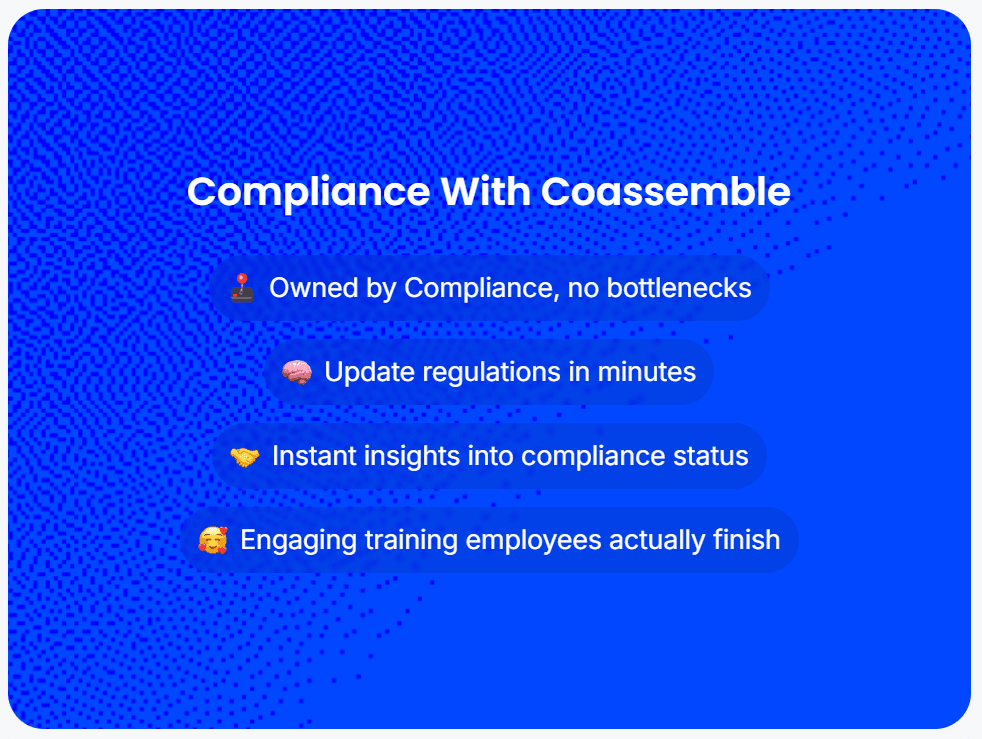
When those resources are reshaped into short, digestible courses with quick quizzes, compliance training becomes clearer and easier to follow. Coassemble lets teams update this content instantly, so it stays accurate as standards evolve.
Product and service training
Product training keeps teams aligned on what you offer, how it works, and why it matters. Sales, support, marketing, and even new employees rely on this knowledge to do their job confidently.
It usually includes:
Features and benefits
Common use cases
Competitive differentiators
Troubleshooting steps
Demo walk-throughs
The problem is that product knowledge gets scattered fast.
When you pull your resources together and turn them into a single, trackable course, teams get consistent product knowledge without relying on instructor-led sessions.
Loom recordings slot neatly into Coassemble, making it easy to show real workflows alongside written guidance.
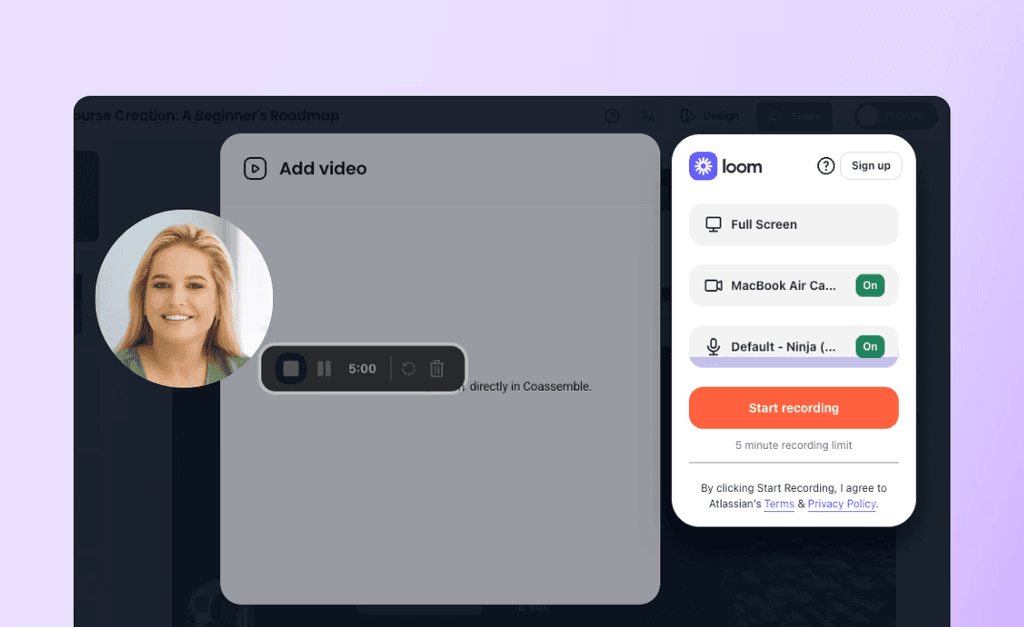
Support teams often move quickest: combining internal docs and demo videos into a focused product course that helps new reps respond faster and with more clarity.
Technical skills training
Technical and advanced training helps employees work confidently with the tools, systems, and processes your organization depends on. It’s essential for day-to-day performance.
It often covers the following:
Software tools like CRMs or project management platforms
Coding languages or data analysis workflows
Industry-specific systems and technical practices
Common challenges:
Tutorials become outdated quickly
Teams rely on “ask someone who knows”
Critical steps get lost in notes or old videos
When you reshape raw material into step-by-step courses, technical training becomes repeatable and far easier to maintain.
Coassemble supports embedded videos, annotated visuals, and simple walkthroughs so teams can update skills without slowing down.
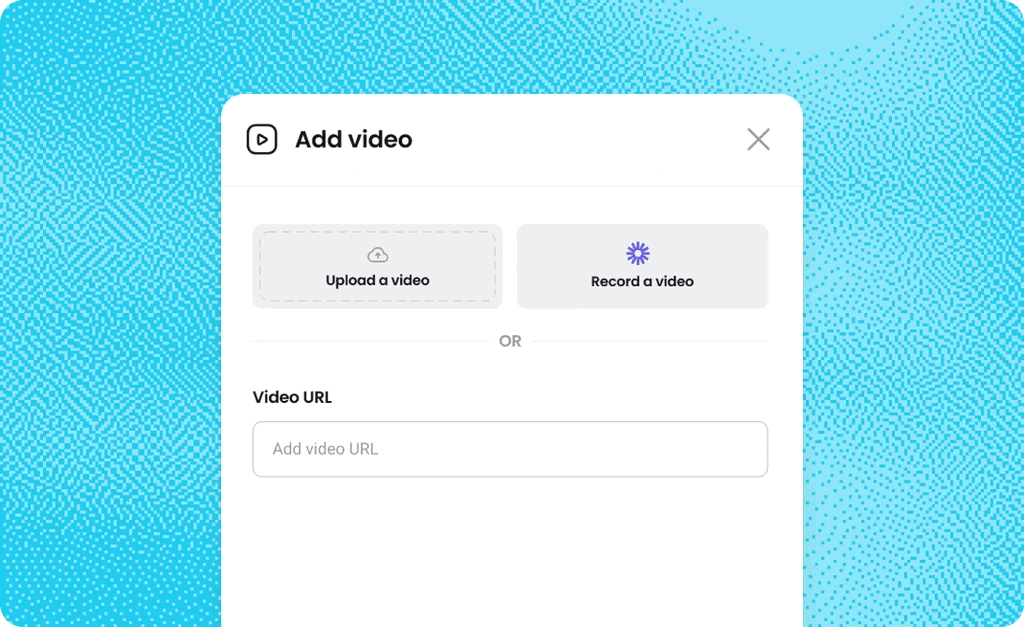
Operations teams often lead the way, turning their CRM instructions and demo videos into a practical course that helps employees learn new tools without relying on one person to guide them.
Soft skills and leadership training
Soft skills shape how teams communicate, solve problems, and lead others.
A Wiley survey found that while 74% of employees say their organization offers professional development, only 35% get soft skills training. Even though 63% of those who do say it improves their performance.
But unlike technical training, these topics are harder to pin down. They rely on real situations, human judgment, and practice.
What they typically include:
Communication and active listening
Conflict resolution
Time management and prioritization
Giving and receiving feedback
Decision-making and leadership fundamentals
Why teams struggle:
Concepts feel abstract without context
Hard to teach through static documents
Difficult for managers to repeat the same coaching for every person
Yet most companies already have great examples to build from: past 1:1 conversations, coaching notes, meeting scenarios, and real workplace moments. When these are reorganized into short courses with scenario-based questions or discussion prompts, soft skills training becomes practical instead of theoretical.
For instance, a fractional SEO team might take the transcript from a monthly knowledge-sharing call, clean it up, and turn it into a short Coassemble course. It’s shared with those who joined the call and those who missed it, so the knowledge doesn’t disappear once the meeting ends.

Safety training
Safety training protects people, equipment, and the workplace itself. It reduces risks, prevents accidents, and gives employees clear steps to follow when something goes wrong.
What it usually covers:
Emergency procedures
Equipment handling
Workplace hazards, occupational safety requirements, and OSHA expectations
Ergonomics and physical safety practices
Impairment recognition in high-risk environments
The challenge:
Manuals are long and rarely read
Updates get buried in email threads
Most teams just need the knowledge in a clearer, more usable format. Safety manuals, incident reports, and workplace safety guidelines can be reshaped into short lessons with visual cues and quick checkpoints. This approach keeps safety top of mind and makes it easier to reinforce the most important practices.
More workplace training programs your team can create quickly
Once you know the pattern, you can build almost any training program your team needs.
Here are additional training programs teams often need, paired with the documents they already own:
Leadership training - Use 1:1 notes, past performance review guidance, and internal leadership principles.
Quality assurance training - Use QA checklists, defect reports, and process documentation from your operations or product team.
Management training - Use delegation frameworks, meeting templates, and coaching guidelines already shared with managers.
Customer service training - Use support scripts, macros, call transcripts, and common customer scenarios.
Sales training - Use pitch decks, objection-handling documents, competitive summaries, and recorded demo calls.
Each one becomes easier to build when you stop starting from scratch and start shaping the knowledge already moving through your organization every day.
How to create workplace training programs on Coassemble
The fastest way to turn knowledge into training is to transform an existing document into a structured course. Coassemble makes this possible, even on the free plan.
Step 1: Open the course creator

Head to Coassemble and click Start creating. The builder opens immediately. No signup required, so you can see how everything works before committing to an account.
Step 2: Choose “Transform an existing document”
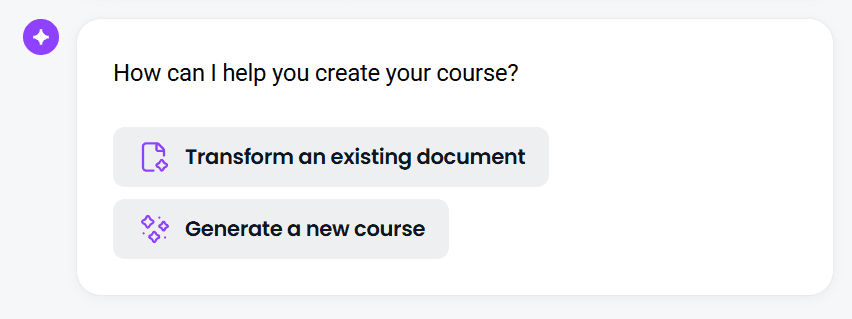
While you can convert a presentation to preserve content word-for-word, transforming a document gives you better structure, more interactivity, and content actually designed for how people learn online.
Upload a file (PDF, PowerPoint, Word doc, or internal guide). Coassemble’s AI scans the content, pulls out the key ideas, and reshapes it into a clear learning path with lessons and interactive elements ready to review.
Step 3: Answer a few quick setup questions
You’ll be asked simple prompts like:
What should your audience achieve from this training?
Which group best describes your learners?
These choices help the AI shape your material into training that fits your specific needs.
Step 4: Review the auto-generated course
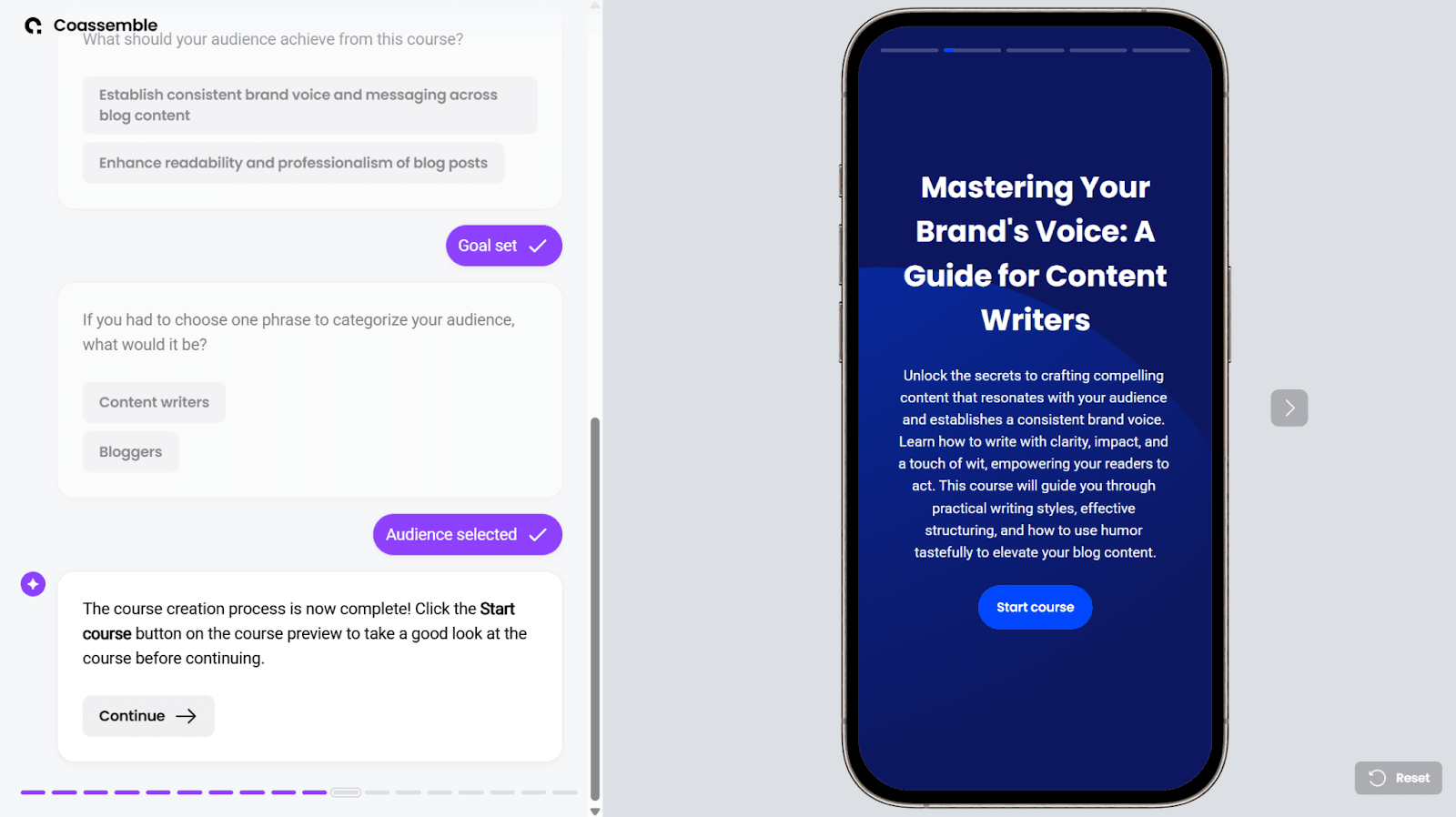
Within seconds, your full course appears on the right side of the screen. Click through each lesson and check that everything flows:
Are the explanations clear?
Does the sequence make sense?
Would an employee know what to do next?
Make small adjustments as needed. The preview updates instantly. Once done, click Continue.
Step 5: Share your training
Here, you’ll be asked if you want to generate quizzes or add your company URL. You can skip these steps and continue.
Once the content looks right, choose how to deliver it:
Send an email invitation
Share a link on Slack or your intranet
Export a SCORM file for your learning management system (LMS) or HRIS
Pick the option that matches how your team already shares information, then click Proceed.
Step 6: Create your free account to save and publish
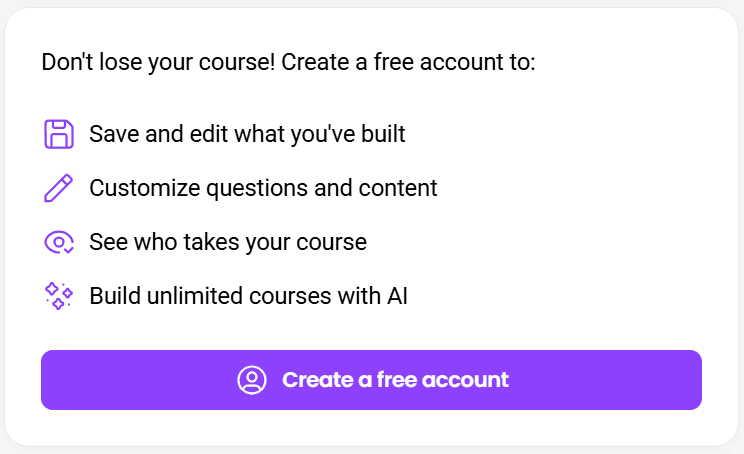
To keep your course, sign up for a free Coassemble account. There’s no credit card, no countdown timer, and no hidden limits. Once saved, your training is live. You can:
Share it anywhere via link: Slack, Teams, email
Embed it inside existing tools
Track completions, quiz scores, and learner progress from a clean dashboard
Creating workplace training programs becomes faster when you start with what you already know. Coassemble simply helps you shape it into something your team can use right away.
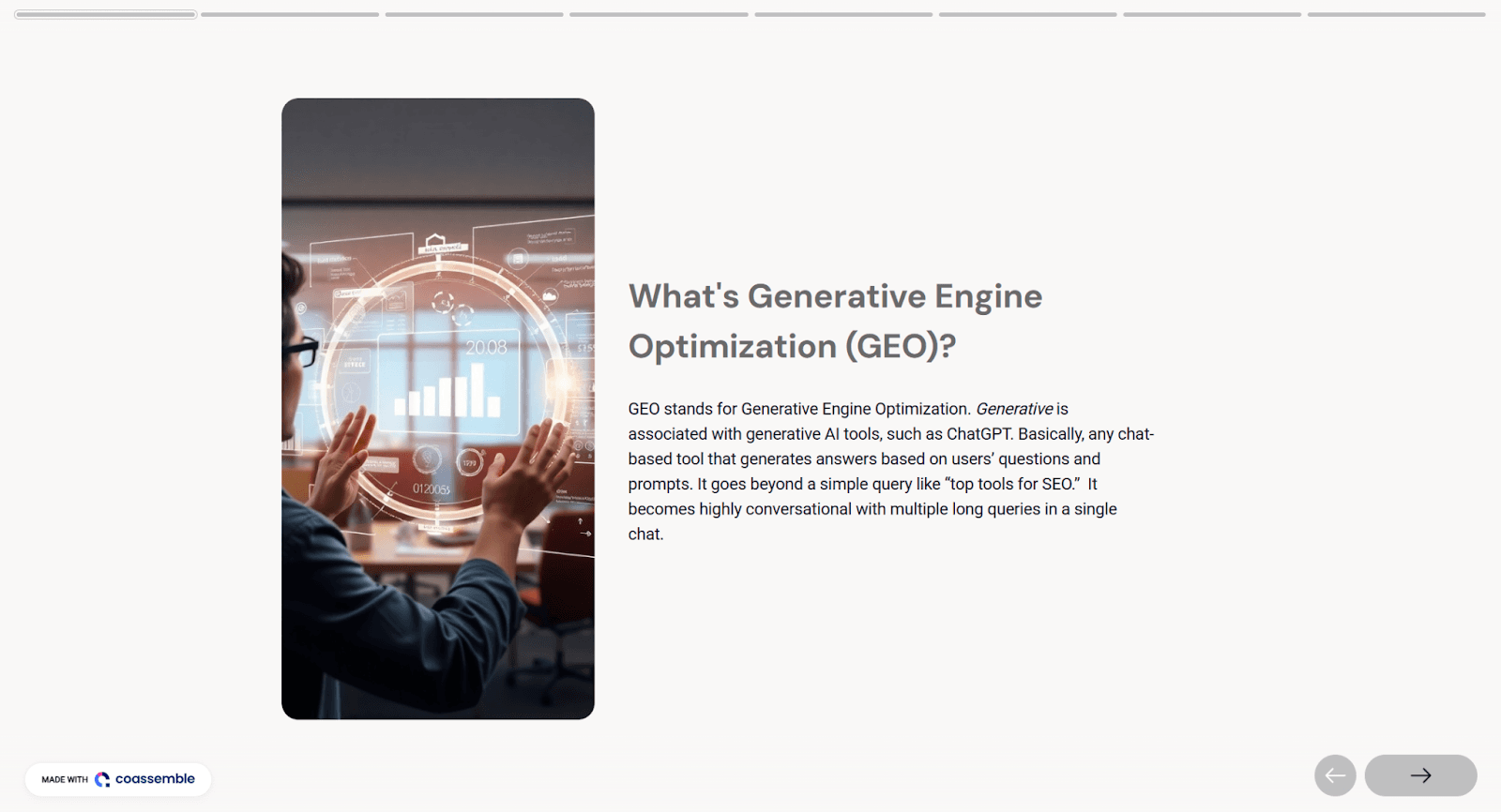
View a sample course generated with Coassemble here: Beyond Keywords: Mastering Generative Engine Optimization (GEO).
Wrapping up
Workplace training programs don’t need months of planning or a full training department. The knowledge is already there inside documents, decks, policies, and the people doing the work every day.
The shift happens when that knowledge becomes something employees can follow at their own pace. Something that reduces risks, supports the team, and keeps the organization aligned.
Start small. Pick one program that removes friction and turn the document you already have into a course your team can use today.
Your team already holds the knowledge. Coassemble helps you move it.
Start free and create your first course in minutes.
FAQs about workplace training programs
What is an example of a training program?
A common example is onboarding training, often built from an employee handbook, role expectations, and tool walkthroughs reshaped into a clear path new hires can follow.
What’s the fastest way to create a workplace training program?
Start with an existing document and let AI organize it into a course. Coassemble’s transformation flow builds lessons in seconds so teams can focus on quick refinements instead of starting from scratch.
What are the most important training programs in the workplace?
Onboarding, safety, compliance, product knowledge, technical training, and soft-skill development form the core foundation for most teams.
Why should you create workplace training programs?
They give employees clarity, reduce risks, support professional growth, and help companies stay consistent as they scale. Clear training keeps knowledge moving instead of buried.
Read More


Join the knowledge revolution today
Unlock knowledge. Boost engagement. Drive results
No credit card required

Join the knowledge revolution today
Unlock knowledge. Boost engagement. Drive results
No credit card required
Join the knowledge revolution today
Unlock knowledge. Boost engagement. Drive results
No credit card required